
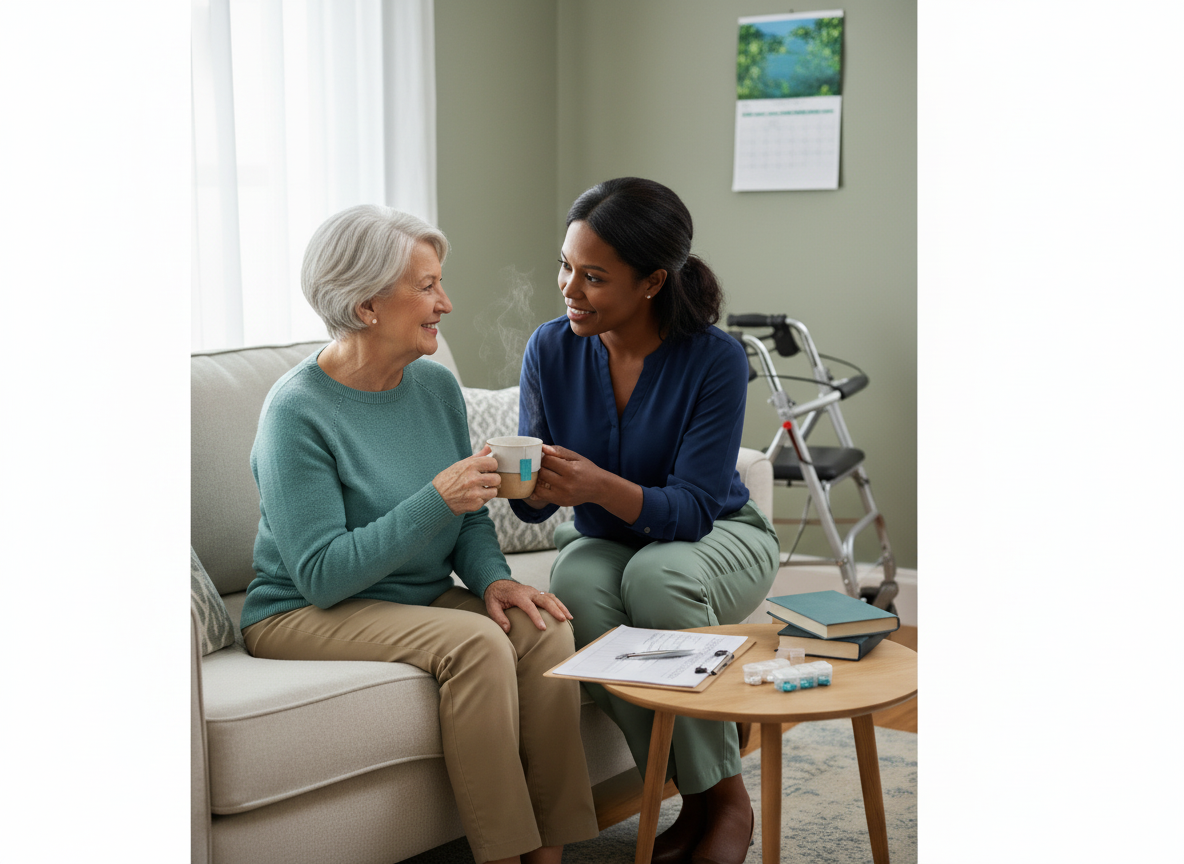
Aging in Place: What Is Non-Medical Home Care?
If you’re helping an aging parent, you’ve probably heard the same sentence many families hear: “I’m not leaving my home.” And honestly, it makes sense. Home is comfort, routine, memories, and independence.
In this episode of Healthcare Redefined—Advocating for Aging Adults and Their Families, we talk with Diane Vitolka, MSN, RN, owner and Director of Nursing at BrightStar Care of Central DuPage (Wheaton), about what non-medical home care really is—and how it can support aging adults and reduce stress for family caregivers.
Educational only: This article is for general education and is not medical advice. Every family situation is different.
What does “aging in place” mean?
Aging in place means an older adult can stay in the setting that feels like home for as long as it’s safe—with the right support.
One important reminder from Diane: “Home” can be different for each family. It might be:
· A longtime family house
· An apartment
· A daughter or son’s home
· An assisted living community (with added support)
The goal is the same: help someone stay where they want to be, with dignity and quality of life.
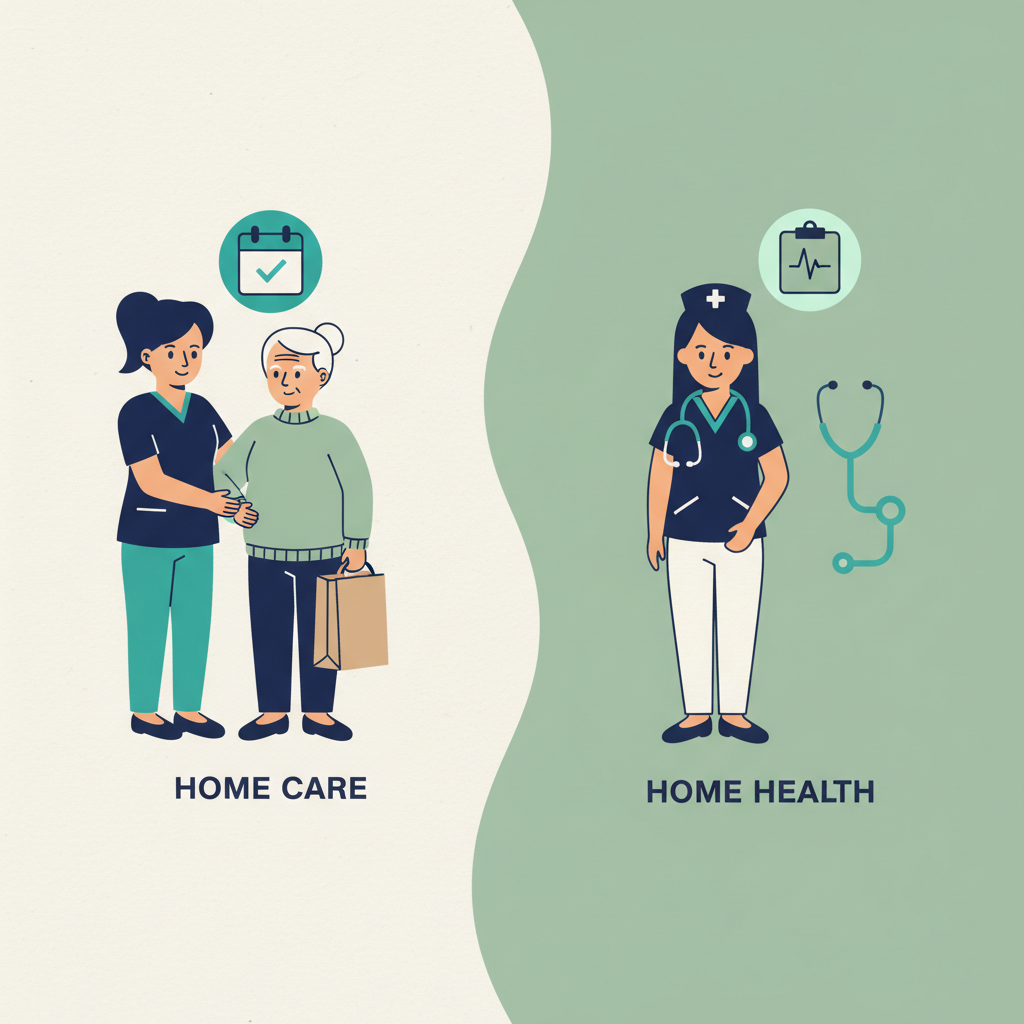
What is non-medical home care (and how is it different from home health)?
This is one of the biggest points of confusion. When aging in place non-medical home care can make the difference in maintaining an aging loved one’s independence at home.
Home health (Medicare-certified) is usually short-term and “episodic.” It often starts after a hospitalization, infection, or fall, and focuses on skilled needs ordered by a doctor.
Non-medical home care is typically:
· Long-term support (not just a few visits)
· Flexible (from a few hours a week to 24/7)
· Focused on daily life and safety, not medical treatments
Diane shared that many families call expecting Medicare to cover this type of care. In most cases, non-medical home care is private pay, though some families may have other options (like long-term care insurance).
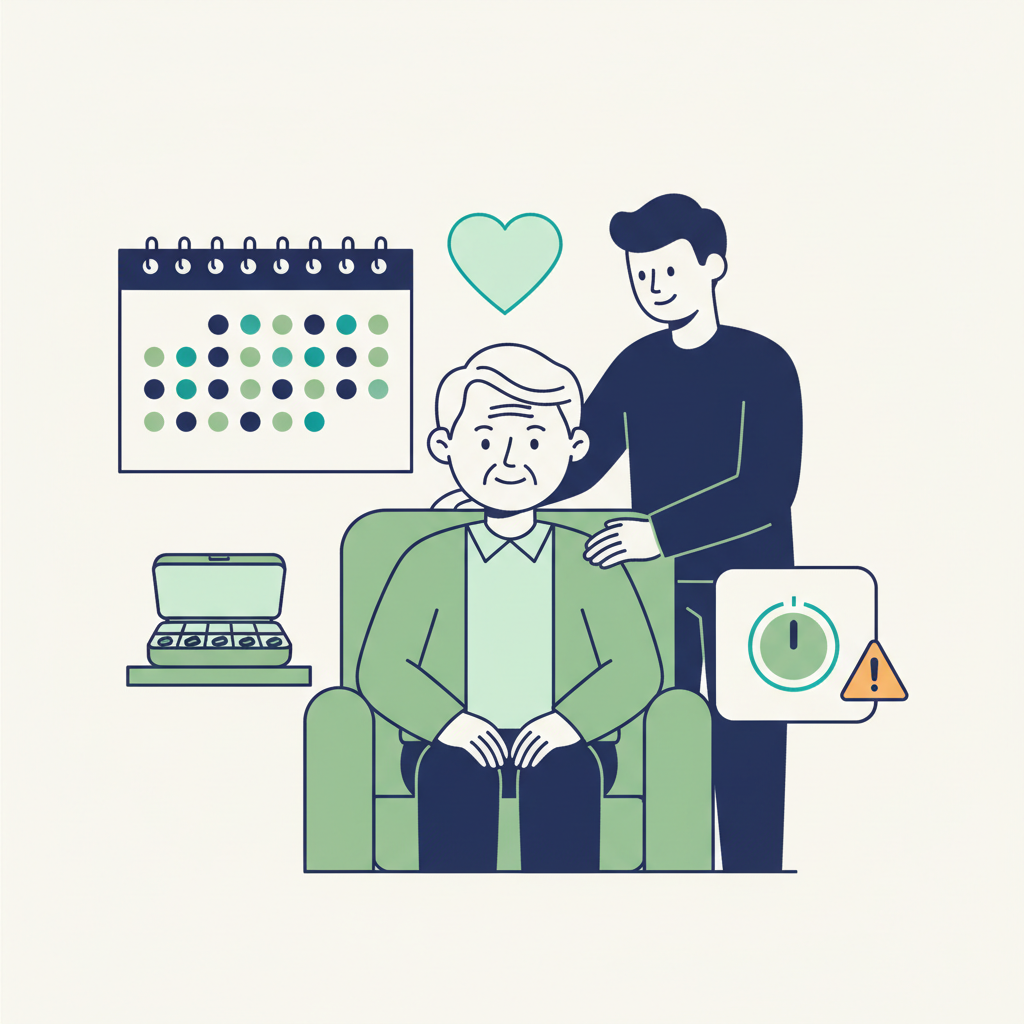
What does non-medical home care help with?
Think of non-medical home care as support with the everyday tasks that can become hard—or unsafe—over time.
Common examples include:
· Showering, dressing, and bathing support
· Medication reminders
· Meal planning and meal prep
· Laundry and light household help
· Safety supervision (standby help)
· Transportation and companionship (errands, lunch, shopping)
· Support during hospice to help family members rest and be “family,” not full-time hands-on caregivers
Diane described it as “coming alongside” the older adult—not taking over their home or routine.
Why families often wait too long (and what it can cost)
Many families don’t reach out until a crisis—sometimes even calling from the emergency room.
But waiting too long can make things harder, especially with dementia. Diane shared that introducing help earlier can reduce resistance later. If a person is already used to a caregiver coming by for companionship or errands, it may be easier to accept more help when needs increase.
There’s also the safety factor. Diane pointed out that falls can change everything. One fall can lead to a hip fracture, loss of independence, and a much higher level of care.
Signs your aging parent may need help at home
Families often reach out when they notice changes like:
· Frequent hospitalizations (falls, infections)
· Weight loss or trouble cooking/eating
· Missed medications
· Poor hygiene
· Increased confusion or memory changes (including repeated calls during the day)
· Loneliness and isolation
If you’re noticing these signs, you’re not “overreacting.” You’re paying attention.
How to talk to a parent who doesn’t want “a stranger in the house”
Resistance is common. Many older adults worry that accepting help means losing independence.
Diane’s advice is simple and human:
· Lead with love: “I’m worried about you.”
· Be honest: “I can’t be here 100% of the time.”
· Start small: even a couple hours can help.
Sometimes it takes a “living room visit” (a free, low-pressure conversation) to break the ice and help a parent see that support can fit their routine.
Why continuity of care matters (especially early on)
One of the fastest ways to lose trust is constant caregiver changes.
Diane shared that when a good match is found, agencies should work hard to keep that consistency. If a change is needed, a “warm introduction” can help—like overlapping shifts so the new caregiver is introduced alongside the current caregiver.
That respect and communication can make a huge difference for older adults, especially those who are hesitant or living with dementia.

What to look for in a non-medical home care provider
If you’re comparing agencies, Diane recommended focusing on:
· Responsiveness (How fast do they return calls? Can they help in urgent situations?)
· Reliability (Do caregivers show up on time? Is scheduling organized?)
· Communication (Do they keep family updated?)
· Training and safety (especially for dementia care and transfers)
· Oversight and quality standards (like RN involvement and strong policies)
A message for caregivers who feel guilty
This part of the conversation matters.
Diane reminded caregivers: You are only as good to your loved one as you are to yourself. When you’re exhausted, your patience runs out, your health suffers, and caregiving gets even harder.
Getting help isn’t failure. It’s a plan.
One small first step you can take this week
If you’re starting to worry about a loved one at home, start with one honest conversation:
· “I’m noticing ___.”
· “I’m feeling ___.”
· “Can we talk about what would make things safer or easier?”
You don’t have to solve everything in one day. You just need a starting point.
Thank you for spending time with us this week. We’re so glad to be part of your journey in caring for your aging loved ones. It’s an honor to share resources, insights, and a little encouragement to support you along the way. We look forward to bringing you more helpful tools and compassionate guidance in the weeks ahead. See you back here soon!
With care,
Pam and Linda
Your Nurse Advocates
“Compassionate Care for Aging Adults Along With Peace of Mind for the Family”
Resources
11 Signs Your Aging Parent May Need Help in the Home-Free Guide
Choosing a Caregiver: Agency vs. Private Free Guide
Free Weekly Newsletter: Senior Saturday
Podcast Episode: 209 Non-Medical Home Care
Reach out for a Free 30-minute consultation
About the Authors
At Your Nurse Advocate Consulting, Pam and Linda’s mission is to empower aging adults and their families to take control of their health, prepare for life’s uncertainties, and secure their peace of mind. We are dedicated to providing compassionate guidance, personalized support, and expert resources to help our clients navigate complex medical needs and organize their personal affairs.
As independent patient advocates we have a steadfast commitment to clarity, family well-being, and empowerment, we strive to make a meaningful impact by ensuring our clients feel confident, prepared, and cared for every step of the way on their healthcare journey.
Expert Guidance You Can Trust
With over 80 combined years of R.N. experience navigating the complex healthcare system, we stand as trusted guides for seniors and their families. Our expertise ensures they can access the care and resources they need without feeling overwhelmed by red tape or confusion.
Medical Disclaimer
The information provided in our emails and all forms of content including but not limited to podcasts, blog posts, videos, or social media posts are for informational purposes only and is not intended to substitute professional medical advice, diagnosis, or treatment. Always seek the advice of your physician or other qualified healthcare provider with any questions you may have regarding a medical condition or care plan. Never disregard professional medical advice or delay seeking medical care because of something you have read here. Your health and well-being are our top priority.