
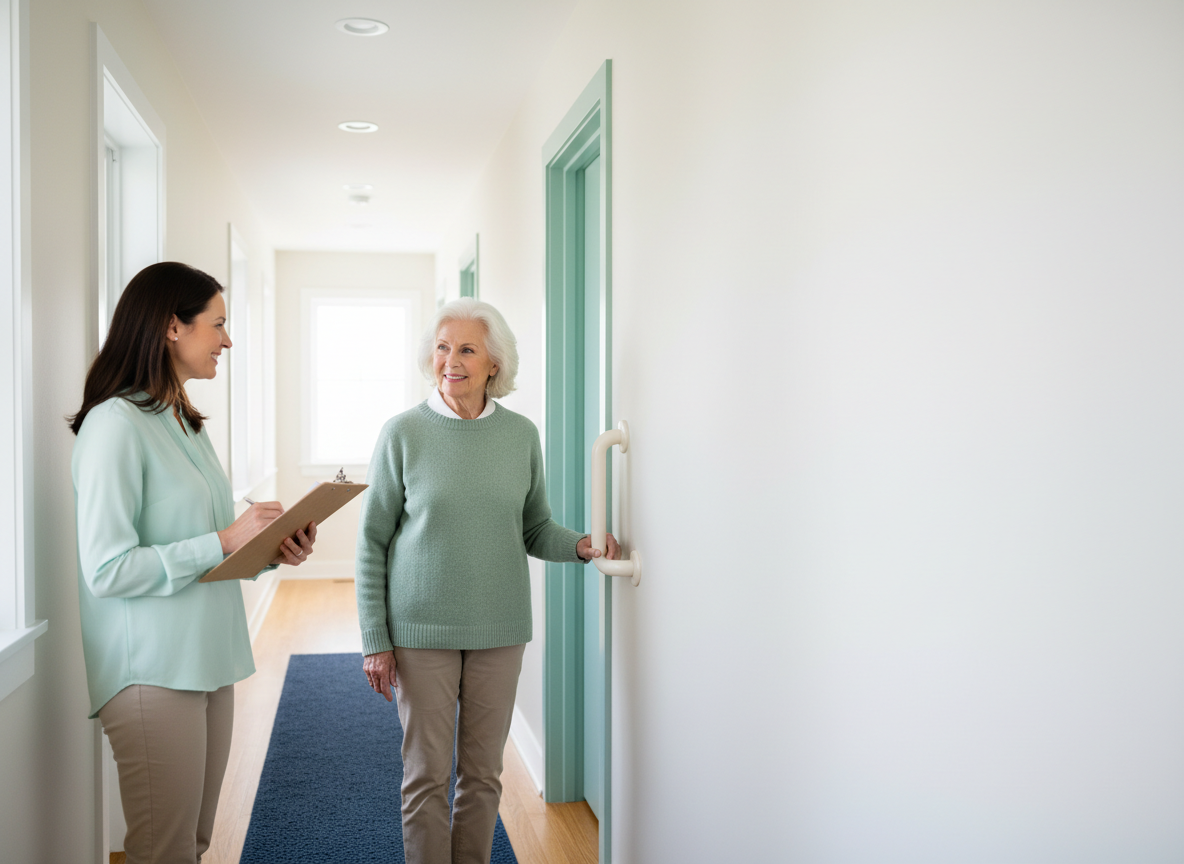
Is your loved one truly safe at home—or are things only “working” because everyone is holding their breath and hoping nothing goes wrong?
Aging in place safely (staying at home as you get older) can be a wonderful goal. But it works best when it’s supported by a realistic plan, a safer home setup, and honest check-ins as needs change.
Quick note: This article is for educational purposes only and is not medical, legal, or financial advice. Every family situation is different. Please reach out to a qualified professional for guidance based on your needs.
What “Aging in Place, Safely” Really Means (It’s Not Just the House)
When an aging parent says, “I want to stay at home,” it’s easy to focus on the home itself. But aging in place safety is about the whole picture—health, daily needs, and support.
Here are key areas to look at:
- Mobility: Are they steady on their feet? Trouble with stairs? Getting up from a chair or toilet?
- Memory and judgment: Are they forgetting steps in routine tasks? Leaving the stove on? Getting lost?
- Vision and hearing: Are they missing alarms, doorbells, or warning sounds?
- Daily living needs: Can they safely manage meals, bathing, laundry, shopping, and housekeeping?
- Medication safety: Are they taking meds correctly—and do they understand what each medication is for?
- Driving: Are they safe behind the wheel (daytime, nighttime, highways, longer distances)?
- Emergency readiness: Do they have a plan for power outages, gas leaks, falls, or evacuation?
Aging in place is most successful when families plan before a crisis happens. Your best clues usually come from what you observe during visits—not just what you’re told on the phone.
Why Older Adults Want to Stay Home (And Why It’s Emotional)
For many older adults, home represents:
- Independence and control (and the fear of losing it)
- Comfort and familiar routines
- Community (neighbors, card club, senior center, “their people”)
- Privacy and dignity (especially when help is needed with personal care)
This is also a major caregiver stress point—especially for long-distance adult children juggling work, kids, and constant worry.
A helpful reframe: the goal isn’t “stay at home no matter what.”
The goal is quality of life and safety.
Aging in Place Safety Checklist (Start Here)
If you want a simple place to begin, start with fall prevention and basic home safety tips for seniors.
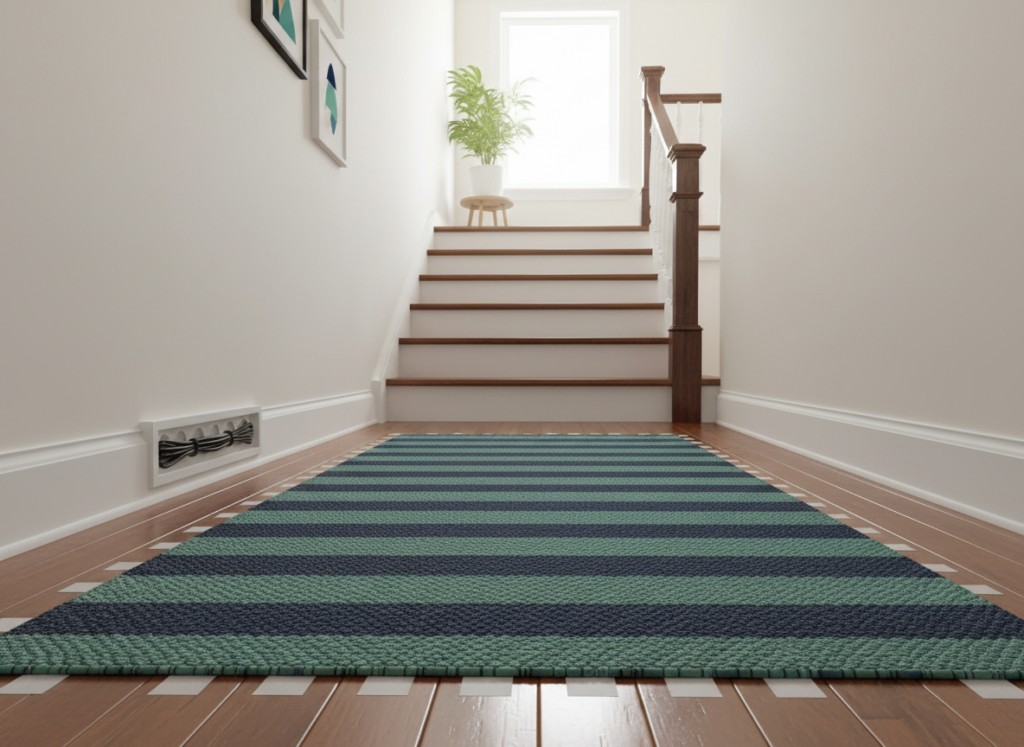
1) Reduce fall risks in walkways
- Remove throw rugs (or secure them)
- Move cords out of walking paths
- Clear clutter from hallways and stairs
2) Improve lighting (especially at night)
- Brighten hallways, stairs, and bathrooms
- Replace dim bulbs
- Make sure there’s a safe path to the bathroom for middle-of-the-night trips
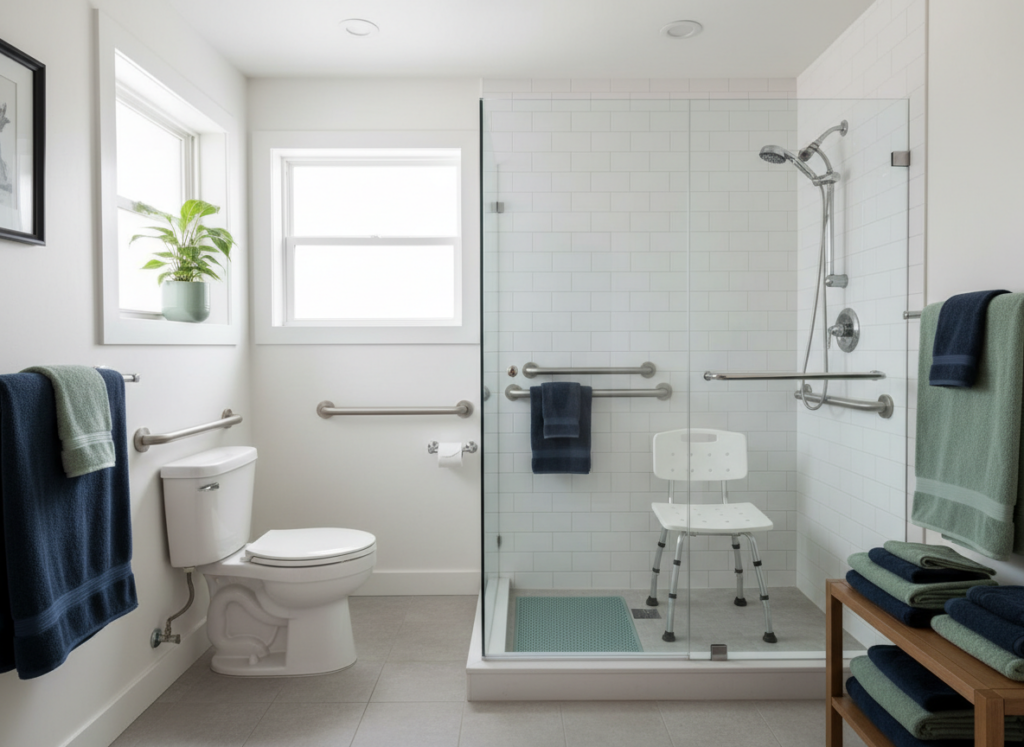
Sintra Image: Bathroom Safety while Aging in Place
3) Make the bathroom safer
Falls often happen in the bathroom and shower. Consider:
- Grab bars near the shower and toilet
- Non-slip mats
- A shower chair
- Secure handrails
4) Check footwear inside the home
Socks and worn-out slippers can be surprisingly dangerous. Supportive shoes with gripping soles are often a safer choice.

Sintra Image: Aging in Place-Check for appropriate lightling
Health + Medication Safety at Home
Medication issues are one of the most common “hidden” problems we see.
Here’s what to look for:
- Side effects like dizziness or sedation
- Missed doses (meds still in the planner days later)
- Double dosing or confusion with pills
- No current medication list
Helpful supports can include:
- A simple pillbox system
- Pharmacy pre-packaged meds labeled by time of day (AM/PM)
- Medication delivery options
- More advanced reminder devices (if needed)
Also important:
- Annual vision checks
- Hearing checks (hearing loss can be a safety risk)
- Strength and balance support like Tai Chi, chair yoga, or physical therapy

Sintra Image: Aging in Place Safely: Managing Medications
Support Systems That Make Aging in Place Work
Aging in place works best with a “village”—even a small one.
Consider these layers of support:
- A point person (often an adult child) to coordinate the plan
- A local “eyes and ears” person (neighbor, friend, relative)
- Routine check-in calls (a simple schedule can reduce stress for everyone)
- Paid support as needed (meals, housekeeping, bathing, transportation)
In-person check-ins matter, too. On the phone, many parents will say, “I’m fine.” In person, you may notice unpaid bills, spoiled food, poor hygiene, or a home that’s no longer being managed safely.
If family dynamics are hard, try to keep decisions focused on needs and safety—not old patterns or sibling conflict.
Red Flags: Signs an Elderly Parent May Not Be Safe Living Alone
Here are common warning signs that it may be time to reassess:
Falls and mobility changes
- Any fall with injury
- Frequent near-falls
- Unexplained bruises or skin tears
- Trouble getting up from a chair or toilet
Health changes
- Frequent ER visits or hospitalizations
- Unmanaged symptoms (shortness of breath, swelling, chest pain)
- Noticeable weight loss (clothes no longer fit)
- Dehydration signs (dry mouth, cracked lips, dizziness, confusion, fatigue)
Important note: Older adults may not feel thirsty the same way as they age, so dehydration can happen faster than families expect.

Sintra Image: Providing Support for an Aging Parent
Medication problems
- Missed doses, confusion, or double dosing
- Not knowing what medications are for
Cognitive and judgment changes
- Getting lost while driving or walking
- Leaving the stove on or water running
- Increased confusion at night
- Scams, unusual spending, or unpaid bills
Environmental concerns
- Cluttered or blocked pathways
- Unsafe stairs
- Strong odors, pests, mold, or poor cleanliness
What to Do When You Notice Red Flags (Without a Fight)
When you’re worried, the words you choose matter.
Try starting with:
- “I’m concerned.”
- “I’m worried about your safety.”
- “I want to support you staying at home as long as it’s safe.”
Avoid ultimatums when possible (“You can’t drive anymore, I’m taking the keys.”). That often triggers fear and resistance.
Practical next steps:
- Talk calmly and specifically about what you’re seeing.
- Focus on shared goals (“Let’s keep you safe at home.”)
- Add support in layers (a few hours/week first, then adjust)
- Track patterns for 2–4 weeks (falls, missed meds, confusion)
- Bring a written list of concerns to the primary care visit.
- Ask about a PT/OT home safety evaluation (often available through Medicare-certified home care when criteria are met).
If you want to be prepared for urgent visits, make sure you also have key information organized (med list, diagnoses, allergies, providers). We recommend keeping it all in one place—especially for ER visits.
Resource: We’ll link our Emergency To-Go Folder in the show notes/resources section for this post.

Sintra Image: A safety net. Having a Plan B for Aging in Place
Plan B: A Safety Net (Not a Failure)
Having a Plan B doesn’t mean you “gave up.” It’s a safety net that reduces panic later. Coming later in August we will have another podcast episode #207 that will look more closely at a Plan B with addressing other senior living options. Our podcast “Healthcare Redefine”-Advocating for aging adults and their families is available on all your favorite podcast platforms. See further information in the Resource Section at the end of this article. Podcast #206 will go into the topic of Aging in Place in a little more depth so stay tuned for the release on August 3, 2026.
Plan B options may include:
- Moving in with family (with clear expectations and boundaries)
- Independent living
- Assisted living
- Memory care
- Smaller residential settings like adult family homes
The best way to build Plan B is to treat it like a research project, not a decision. Create a short list, tour places with your loved one, and keep notes in one spot (even a simple notebook works).
Ask what matters most:
- Privacy and a private apartment
- Activities and social life
- Faith community
- Pets
- Location (nature vs. “close to everything”)
- Budget and affordability
Create a “trigger list” everyone agrees on
This is one of the most helpful steps. Examples:
- Repeated falls despite interventions
- Ongoing missed medications
- Wandering or unsafe judgment
- Caregiver burnout reaching an unsafe level
When triggers are agreed on ahead of time, there are fewer surprises—and less conflict.
Thank you for spending time with us this week. We’re so glad to be part of your journey in caring for your aging loved ones. It’s an honor to share resources, insights, and a little encouragement to support you along the way. We look forward to bringing you more helpful tools and compassionate guidance in the weeks ahead. See you back here soon!
With care,
Pam and Linda
Your Nurse Advocates
“Compassionate Care for Aging Adults Along With Peace of Mind for the Family”
Free Resources: Need Help Building a Safe Plan (and a Plan B)?
If you’re trying to figure out whether aging in place is still safe—or you want a clear plan that reduces stress—this is exactly what we help families do.
Schedule a Free 30-minute call with Pam or Linda
Emergency “To Go” Folder Guide
11 Signs Your Aging Parent May Need Help in the Home Guide
Weekly Senior Saturday Newsletter
Healthcare Redefined: Full Podcast Episode 206 Aging in Place Releases Monday August 3. You can find it on all your favorite podcast platforms as well as on our YouTube Channel and Website.

Medical Disclaimer
The information provided in our emails and all forms of content including but not limited to podcasts, blog posts, videos, or social media posts are for informational purposes only and is not intended to substitute professional medical advice, diagnosis, or treatment. Always seek the advice of your physician or other qualified healthcare provider with any questions you may have regarding a medical condition or care plan. Never disregard professional medical advice or delay seeking medical care because of something you have read here. Your health and well-being are our top priority.