

If you’ve recently stepped into the role of “new family caregiver,” you may be feeling a mix of love, worry, and What do I do first? You’re not alone.
One of the hardest parts of caregiving is this: you don’t know what you don’t know. Most families are thrown into caregiving after a fall, a new diagnosis, a hospital stay, or a sudden change at home. There’s no handbook, and the healthcare system doesn’t slow down to explain the fine print.
That’s exactly why we created our New Family Caregiver Boot Camp—to help you fill in the blanks, reduce overwhelm, and feel more confident supporting your loved one. We are going to kick-off the boot camp with a Jeopardy Game to share some common things that new family caregivers may not know. We hope that is a fun way to get things started!
Below are 5 key areas we’ll cover in the Boot Camp—plus the common concerns we hear from new caregivers every week.
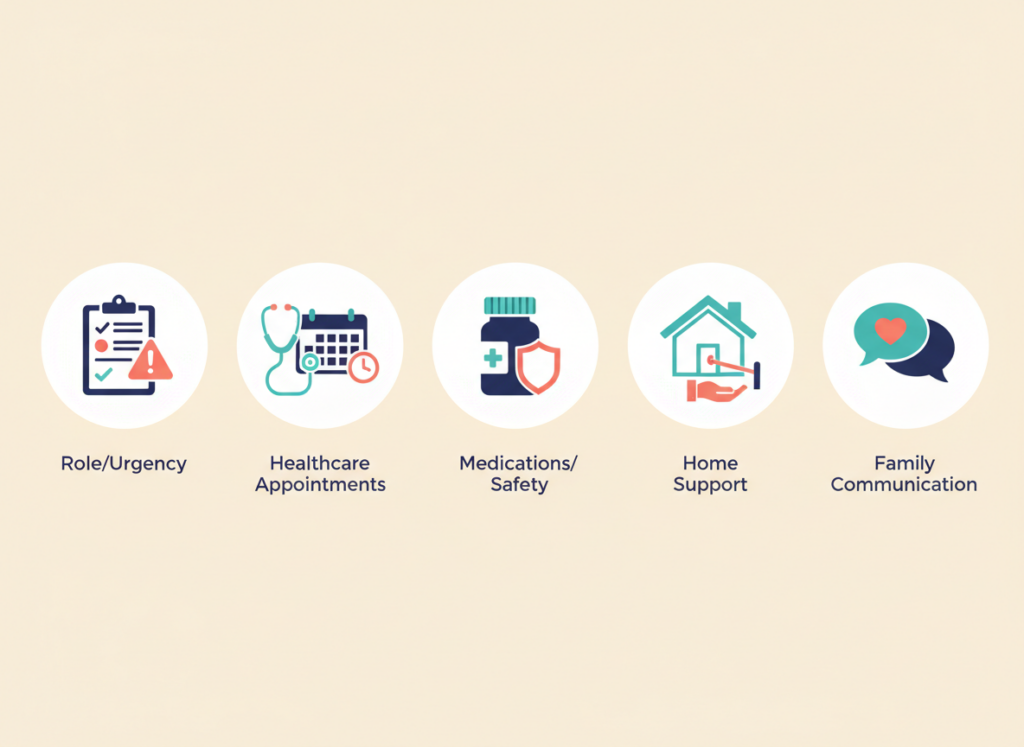
1) Understanding the “New Family Caregiver” Role (What’s Normal, What’s Urgent)
New caregivers often ask:
- Am I overreacting—or missing something important?
- How do I know when it’s time to step in more?
- How do I balance my life with their needs?
In the Boot Camp, we’ll talk through what typically changes first (and why), how to spot red flags early, and how to create a realistic plan that doesn’t require you to do everything at once.

2) Navigating Healthcare Appointments (So You Don’t Leave With More Questions)
New caregivers frequently tell us:
- I don’t even know what to ask the doctor.
- We get home and realize we forgot half of what was said.
- My parent says they’re “fine,” but I’m not sure.
We’ll cover simple ways to prepare for visits, organize information, and advocate respectfully—so you can walk out with clarity, not confusion. We will have several checklists, templates, guides, and scripts to assist you on this journey. The

3) Medications and Safety Basics (The Part That Gets Missed)
This is a big “unknown unknown.” Many families don’t realize how quickly medication issues can snowball.
Common concerns:
- Why are there so many meds—and who’s checking them and keeping them straight?
- Could side effects look like “aging”?
- How do I keep this all straight?
- Do we really need all of these medications?
We’ll walk through practical medication safety steps, what to watch for, and how to reduce risk without becoming the “medication police.”
4) Home and Daily-Life Support (Keeping Independence Without Guessing)
Caregiving isn’t only medical—it’s everyday life.
New caregivers ask:
- Is it safe for them to live alone?
- What should I change at home first?
- How do I bring in help without upsetting them?
- Where do I get help and how is it paid for?
We’ll cover simple, high-impact ways to improve safety and support routines—while preserving dignity and independence.

5) Family Communication and Next Steps (So It Doesn’t All Fall on One Person)
This is where many caregivers burn out.
Common concerns:
- My siblings aren’t on the same page.
- I’m the default person and I’m exhausted.
- Every conversation turns into conflict.
- My family gets along great but we need help with the logistics and how to involve our out of town siblings.
We’ll share strategies to communicate clearly, set boundaries, and create a shared plan—so you’re not carrying this alone.
You Don’t Have to Figure This Out the Hard Way
If you’re feeling overwhelmed, it doesn’t mean you’re failing. It means you’re doing something hard—often without the information and support you should have.
The New Family Caregiver Boot Camp is designed to give you a starting point, a roadmap, and a place to ask the questions you didn’t even know to ask yet.
Ready to join us?
If you’d like details on the next Boot Camp session, reply to this post or reach out through our website. We’ll help you figure out the best next step for your family. At the time of this blog post we are preparing for the next launch of our New Family Caregiver Boot Camp on March 26, 2026. If you are reading this after, we encourage you to check on our website for the next boot camp.
You’re not alone. You just need the right support—and a plan.

FAQ: New Family Caregiver Questions
What should a new family caregiver do first?
Start by getting clear on the immediate priorities: safety, medications, and upcoming appointments. Write down the top 3 concerns you’re seeing (for example: falls, confusion, missed meds, weight loss, driving). Then gather the basics in one place—current medication list, diagnoses, provider names, insurance cards, and emergency contacts. You don’t have to solve everything in week one; you just need a starting point and a plan.
What questions should I ask the doctor for my aging parent?
Go in with a short list and don’t be afraid to take notes. Helpful questions include: What is the diagnosis and what does it mean day-to-day? What changes should we watch for? What are the treatment options and risks? What should we do if symptoms worsen? Are there any medication side effects or interactions to consider? What is the follow-up plan and who do we call with questions?
How do I organize medications safely?
Use one “source of truth” medication list (name, dose, timing, reason, prescribing provider) and bring it to every appointment. Consider using a weekly pill organizer and setting reminders. Watch for duplicates (two meds for the same purpose), new side effects after changes, and multiple prescribers who may not be coordinating. If anything feels off, ask for a medication review.
How do I know if it’s still safe for my parent to live alone?
Look for patterns, not one-off moments. Red flags can include frequent falls, missed medications, leaving the stove on, getting lost while driving, unpaid bills piling up, poor hygiene, spoiled food in the fridge, or increasing confusion. If you’re unsure, it’s worth doing a structured safety check and discussing options for added support before a crisis forces the decision.
What you might not know:
How do I get home care in the home?
What is the difference between Home Health Care and Homecare?
What are the subtle signs my aging loved one may not be safe at home?
How do I know if they are taking their medications properly?
How do I set boundaries with siblings?
Start with clarity: what you can realistically do, what you can’t, and what support you need. Be specific when you ask for help (for example: “Can you handle the pharmacy calls each month?” or “Can you take Mom to the next appointment?”). If siblings aren’t available, focus on building a plan that includes outside support—because one person can’t sustainably do it all.
In our bootcamp we have a guide to share an example of a family caregiving meeting agenda and how to determine who can help with what tasks. We also take it one step further with a checklist of common tasks that an aging adult needing assistance may need.

Thank you for spending time with us this week. We’re so glad to be part of your journey in caring for your aging loved ones. It’s an honor to share resources, insights, and a little encouragement to support you along the way. We look forward to bringing you more helpful tools and compassionate guidance in the weeks ahead. See you back here soon! Make sure you check out the resource section of this post for more assistance.
With care,
Pam and Linda
Your Nurse Advocates
“Compassionate Care for Aging Adults Along With Peace of Mind for the Family”
Resources
New Family Caregiver Boot Camp
Free Weekly Newsletter: Senior Saturday
Taking Care of Yourself: National Institute on Aging
About the Authors
At Your Nurse Advocate Consulting, Pam and Linda’s mission is to empower aging adults and their families to take control of their health, prepare for life’s uncertainties, and secure their peace of mind. We are dedicated to providing compassionate guidance, personalized support, and expert resources to help our clients navigate complex medical needs and organize their personal affairs.
As independent patient advocates we have a steadfast commitment to clarity, family well-being, and empowerment, we strive to make a meaningful impact by ensuring our clients feel confident, prepared, and cared for every step of the way on their healthcare journey.
Expert Guidance You Can Trust
With over 80 combined years of R.N. experience navigating the complex healthcare system, we stand as trusted guides for seniors and their families. Our expertise ensures they can access the care and resources they need without feeling overwhelmed by red tape or confusion.

Medical Disclaimer
The information provided in our emails and all forms of content including but not limited to podcasts, blog posts, videos, or social media posts are for informational purposes only and is not intended to substitute professional medical advice, diagnosis, or treatment. Always seek the advice of your physician or other qualified healthcare provider with any questions you may have regarding a medical condition or care plan. Never disregard professional medical advice or delay seeking medical care because of something you have read here. Your health and well-being are our top priority.