

September is World Alzheimer’s Month—a time to raise awareness, share resources, and support families facing the challenges of dementia. If you’re caring for an aging loved one, spotting the early signs of dementia can feel overwhelming. What’s normal aging, and what’s not? How do you know when to seek help? This week, we’re breaking it down with practical tips, expert insight, and trusted resources.
We have cared for many clients along with their families that needed assistance to manage the care of aging loved ones with dementia.
So many special considerations need to be taken into account. Each individual struggling with dementia will have unique needs. Some more than others. It can be very difficult to manage these aging loved ones in their home but some families are willing to try. There is no “one size fits all.” Every family situation is different and the care plan for each family needs to be tailored to their specific needs. We certainly can help with this. We have a free resource to help you address common behaviors in your aging loved ones with dementia. You can download that HERE.
Normal Aging vs. Early Signs of Dementia-National Institute of Aging
It’s normal for memory and thinking skills to change a bit as we age. But dementia is not a normal part of aging. Here’s how to tell the difference:
| Normal Aging | Early Signs of Dementia |
| Occasionally forgetting names or appointments, but remembering them later | Frequent memory loss, especially of recently learned information |
| Sometimes struggling to find the right word | Difficulty having conversations or following stories |
| Making occasional poor decisions | Poor judgment and decision-making that impacts safety or finances |
| Getting confused about the day of the week, but figuring it out later | Losing track of dates, seasons, and the passage of time |
| Misplacing things from time to time and retracing steps to find them | Placing items in unusual places and being unable to retrace steps |
| Occasional mood changes | Noticeable changes in mood, personality, or withdrawal from social activities |

Why Early Diagnosis Matters
Recognizing the signs early and seeking a diagnosis is crucial. Here’s why:
- Early intervention: Some causes of memory loss are treatable or reversible (like vitamin deficiencies, medication side effects, or depression).
- Better planning: Early diagnosis gives families time to plan for care, legal, and financial needs—while your loved one can still participate in decision-making. Once a loved one is deemed no longer capable of making their own healthcare decisions they aren’t competent to complete their legal documents such as a healthcare power of attorney, advance directives, assigning a legal or financial power of attorney to manage their affairs. Make sure these things are completed before the dementia worsens to this point.
- Access to resources: Early diagnosis can connect families to support, education, and community resources.
- Medical management: Some medications and therapies work best when started early.

How Healthcare Providers Help
If you notice concerning changes, start by scheduling a visit with your loved one’s primary care provider. Here’s how the process often works:
1. Comprehensive Assessment:
The doctor will ask about symptoms, medical history, and daily functioning. They may also talk with family members or caregivers for additional perspective.
2. Cognitive Screening Tests:
Simple memory and thinking tests (like the Mini-Mental State Examination or Montreal Cognitive Assessment) help identify cognitive changes.
3. Medical & Neurological Exams:
The provider will check for physical or neurological causes of symptoms, such as infections, strokes, or thyroid problems.
4. Lab Tests & Imaging:
Blood tests may rule out vitamin deficiencies, thyroid issues, or infections. Brain imaging (like MRI or CT scans) can check for strokes, tumors, or brain changes.
Who Manages Dementia Care?
- Primary Care Providers: Often the first to notice changes and coordinate initial testing and referrals. Don’t hesitate to ask for a cognitive screen to help determine if it is early dementia vs. normal cognitive changes of aging.
- Neurologists: Specialists in brain and nervous system disorders; they diagnose and manage dementia and related conditions.
- Geriatricians: Doctors who specialize in caring for older adults; they’re experts in managing complex medical and cognitive issues.
- Psychiatrists or Neuropsychologists: Can help with behavioral symptoms and advanced testing.
- Nurse Practitioners & Physician Assistants: Often work closely with physicians in ongoing care.
A team approach is best—combining the expertise of medical professionals, advocates, and family members. It takes a village to care for a loved one with dementia. It can be a cruel disease. It is extremely important for family members to make sure they get the breaks and free time to recharge their batteries!
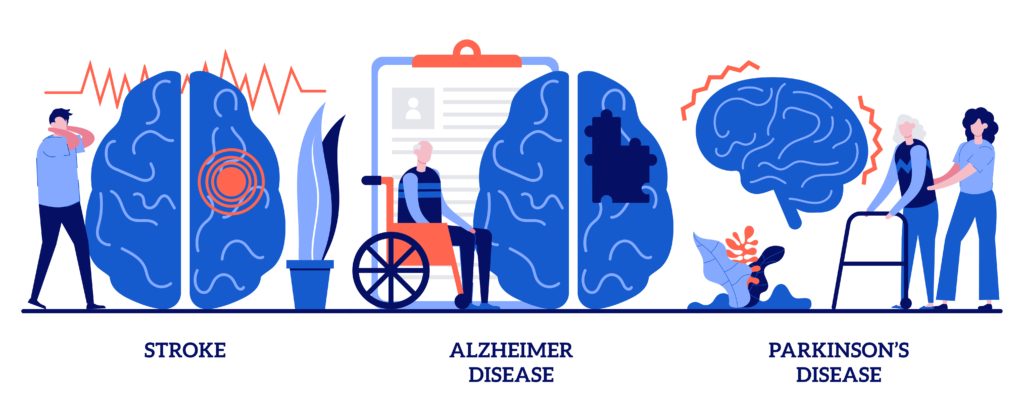
Key Tests Used in Diagnosis
- Cognitive tests: Mini-Mental State Exam (MMSE), Montreal Cognitive Assessment (MoCA)
- Bloodwork: To rule out metabolic, nutritional, or infectious causes
- Brain imaging: MRI or CT scan to identify strokes, tumors, or brain shrinkage
- Neuropsychological assessment: In-depth testing to evaluate memory, reasoning, attention, language, and more
Trusted Resources
- Alzheimer’s Association
- National Institute on Aging
- World Alzheimer’s Month
- Your Nurse Advocate Consulting Free Resources
- Dementia Behavior Quick Start Guide Free Resource with Your Nurse Advocate Consulting

You’re Not Alone
Throughout September, we’ll be sharing even more resources, tips, and support for families navigating dementia. If you’re concerned about an aging loved one, don’t wait—early action can make all the difference. Reach out to your healthcare provider, connect with advocacy organizations, and let us know how we can support you.
If you have questions or want to share your story, drop a comment below or contact us directly. We’re here to help you juggle less and enjoy more.
Thank you for spending time with us this week. We’re so glad to be part of your journey in caring for your aging loved ones. It’s an honor to share resources, insights, and a little encouragement to support you along the way. We look forward to bringing you more helpful tools and compassionate guidance in the weeks ahead. See you back here soon!
With care,
Pam and Linda
Your Nurse Advocates
“Compassionate Care for Aging Adults Along With Peace of Mind for the Family”
About the Authors
At Your Nurse Advocate Consulting, Pam and Linda’s mission is to empower aging adults and their families to take control of their health, prepare for life’s uncertainties, and secure their peace of mind. We are dedicated to providing compassionate guidance, personalized support, and expert resources to help our clients navigate complex medical needs and organize their personal affairs.
As independent patient advocates we have a steadfast commitment to clarity, family well-being, and empowerment, we strive to make a meaningful impact by ensuring our clients feel confident, prepared, and cared for every step of the way on their healthcare journey.
Expert Guidance You Can Trust
With over 80 combined years of R.N. experience navigating the complex healthcare system, we stand as trusted guides for seniors and their families. Our expertise ensures they can access the care and resources they need without feeling overwhelmed by red tape or confusion.